
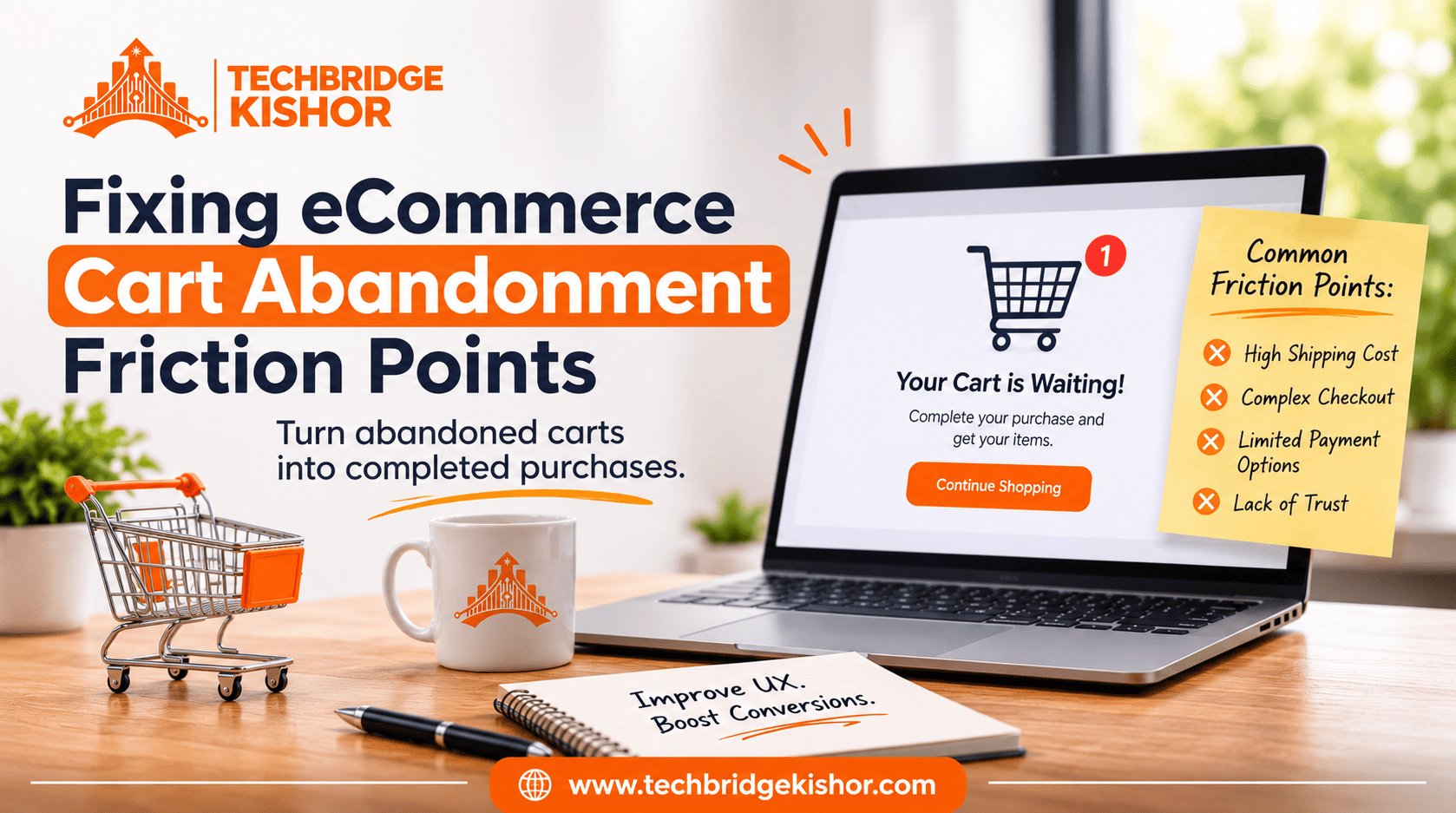
Across global eCommerce platforms, the average shopping cart abandonment rate hovers between 68% and 74%. That means roughly seven out of every ten shoppers who add a product to their cart leave without completing their purchase. For a store generating $500,000 annually, even a modest 5% reduction in abandonment represents $25,000 to $35,000 in immediate, recurring top-line revenue.
Most store owners react by spending more on paid ads to bring in new traffic. But pouring more water into a leaking bucket is expensive and inefficient. The faster path to sustainable profitability is fixing the underlying friction points within your checkout funnel.
The 7 Critical Friction Points in Modern Checkouts
1. Unexpected Extra Costs at the Final Step
The number one reason shoppers abandon carts worldwide is sticker shock. When a customer spends ten minutes selecting an item for $80, only to discover a surprise $15 shipping fee, $6 handling fee, and estimated tax added at step 4 of checkout, trust evaporates instantly.
The Fix: Provide upfront transparency. Display estimated shipping thresholds directly on product pages (e.g., “Free Express Shipping on Orders Over $75”) or incorporate a postal code calculator directly in the side cart.
2. Forced Account Registration
Nothing slows down checkout momentum quite like a mandatory “Create an Account & Verify Password” screen. Today’s mobile consumers expect speed. Forcing them to create and verify a password creates an unnecessary barrier to purchase.
The Fix: Always enable seamless 1-Click Guest Checkout by default. You can invite the customer to create an account on the “Thank You” confirmation page after the transaction is already captured, simply by offering to save their receipt and track shipping updates.
3. Absence of Modern Express Wallets (Apple Pay, Google Pay, Shop Pay)
Typing a 16-digit credit card number, expiration date, billing address, and CVV on a mobile keypad while commuting is clumsy and prone to typographical errors.
The Fix: Implement express payment buttons at the very top of the cart and checkout page. Allowing users to authenticate using biometric face/fingerprint recognition through Apple Pay, Google Pay, or Shop Pay bypasses form filling entirely and reduces checkout time from 3 minutes to under 20 seconds.
⚡ Mobile Conversion Fact
Stores that feature biometric digital wallets prominently in mobile checkout experience an average 18% to 26% lift in mobile checkout completion rates compared to credit-card-only setups.
4. Cluttered Multi-Page Forms vs. Distraction-Free One-Page Checkout
Traditional eCommerce themes display the full website header, navigation menu, social media icons, and footer during checkout. Every clickable link is an exit opportunity that distracts the buyer from finishing their purchase.
The Fix: Use an enclosed, distraction-free checkout layout. Hide primary navigation menus, eliminate external links, and condense the shipping and payment inputs into a clear, single-page or two-step streamlined accordion.
5. Lack of Payment Gateway Redundancy
Payment processors occasionally experience localized outages, temporary API rate limits, or false-positive fraud declines. If your store relies on a single gateway and that gateway drops a transaction, the buyer rarely tries again—they simply purchase from a competitor.
The Fix: For high-volume stores, implement smart routing and redundant payment fallbacks (e.g., secondary processing via Stripe, PayPal, or regional gateways like Razorpay or Mollie) to ensure 99.99% transaction reliability.
6. Weak Security & Guarantee Signals Near the “Pay Now” Button
At the exact instant a customer clicks “Complete Order,” their psychological purchase anxiety peaks: “Is this store legitimate? What if the sizing is wrong? How difficult is the return process?”
The Fix: Place micro-reassurance badges directly below the final payment button: SSL encryption badge, 30-day money-back guarantee, and a clear statement regarding hassle-free returns.
7. Slow or Non-Existent Abandoned Cart Recovery Sequences
If a customer abandons their cart, waiting 24 hours to send an email means they have likely already solved their problem elsewhere.
The Fix: Establish an automated multi-stage recovery sequence:
- Email 1 (Sent within 45 minutes): Helpful service tone checking if there was a technical glitch or question.
- Email 2 (Sent at 18 hours): Highlighting customer reviews, unboxing photos, and answering common FAQs.
- Email 3 (Sent at 48 hours): A time-sensitive incentive (such as free express shipping or a 10% coupon) with clear expiration urgency.
The Checkout Conversion Rate Optimization Checklist
- ✅ Are shipping rates and delivery timelines visible before the customer enters their address?
- ✅ Is Guest Checkout enabled with zero password requirements?
- ✅ Are Apple Pay and Google Pay positioned prominently above the fold on mobile?
- ✅ Has unnecessary navigation been stripped from the checkout template?
- ✅ Does your checkout page load under 1.2 seconds on 4G cellular connections?
Every percentage point of checkout friction you remove directly compounds your monthly return on advertising spend (ROAS) and lifetime customer value.